Hockey Training Tips for Off-Season
How to stay strong, fast, and sharp when you're off the ice. Summer hockey workouts and off-season habits that carry into next season.
Quick Summary: Off-season hockey training should include strength (legs, core), conditioning, and skill work. Use dryland drills, stickhandling, and roller or inline when you can. Keep your stick ready with fresh stick tape and stick wax so when you're on ice or pavement, your hands feel right. Balance hard work with recovery.
Why Off-Season Training Matters
The off-season is when you build a base for the next year. You can address weaknesses, get stronger, and keep skills from rusting. Players who train smart in the summer often come back faster and more durable. For gear that supports your training—like reliable inline bearings for roller hockey—check our equipment checklist and maintenance guide.
Strength Training
Hockey demands power from the legs and core. Prioritize:
- • Lower body: Squats, deadlifts, lunges, step-ups, single-leg work
- • Core: Planks, Pallof presses, rotational work, anti-rotation
- • Posterior chain: Hip thrusts, RDLs, back extensions
- • Upper body: Push-ups, rows, shoulder work for balance and durability
Aim for 3–4 strength sessions per week. Progress load and complexity over the summer; don’t max out every day. Recovery is part of the plan.
Conditioning and “Dryland Skating”
Hockey is high-intensity and short-burst. Replicate that with:
- • Sprints and interval runs (e.g., 30–60 second efforts with rest)
- • Slide board for lateral movement and hip engagement
- • Agility ladder and cone drills for foot speed and change of direction
- • Bike or rower for cardio without pounding the legs every day
If you have access to roller or inline hockey, use it. It’s one of the best ways to maintain skating mechanics and conditioning off-ice. Keep your inline skates in good shape—clean bearings and check laces so your summer sessions are smooth. See how to clean and maintain inline skate bearings.
Stickhandling and Shooting
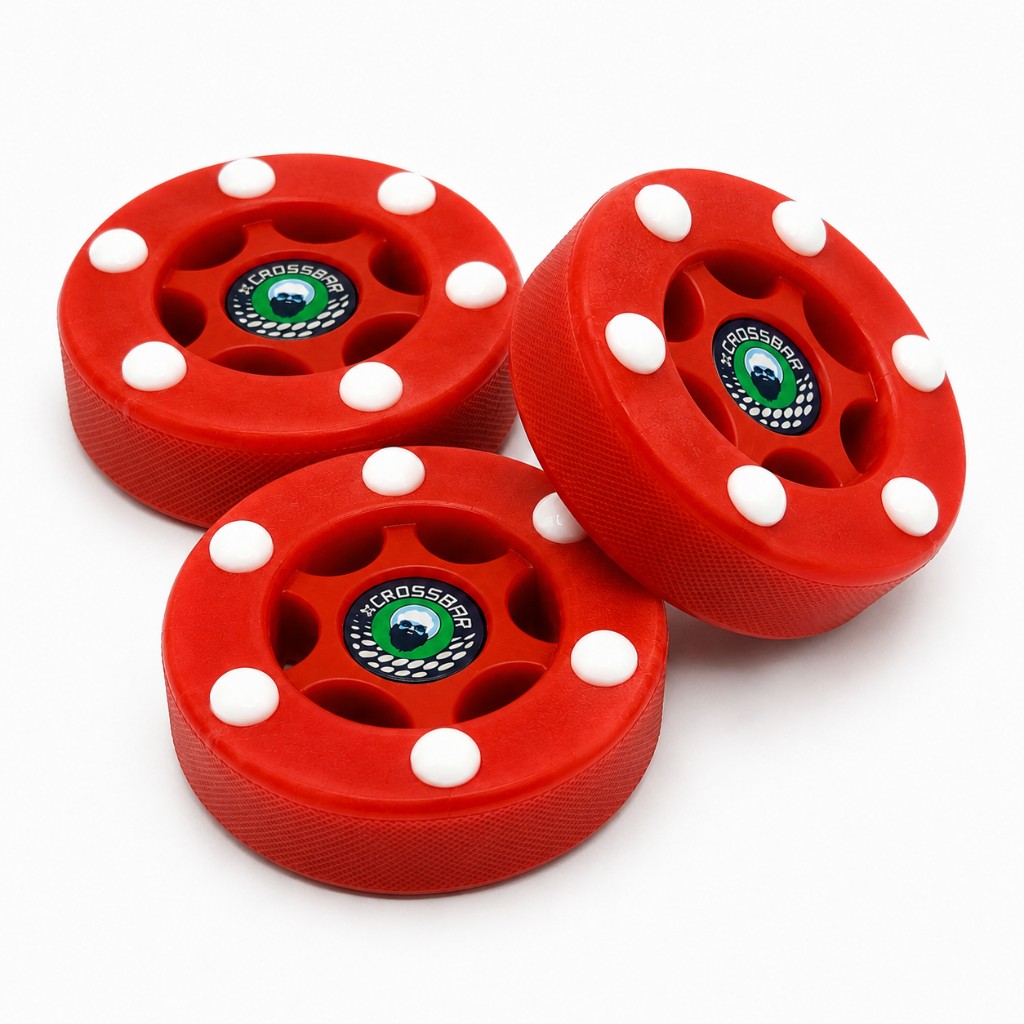
You can keep your hands sharp without ice. Use a stickhandling ball or green biscuit on a smooth surface (garage, driveway, tile). Shoot at a net, tarp, or shooting pad. Even 10–15 minutes a day helps. Use the same stick (or a dedicated off-ice stick) with good tape and wax so grip and feel are consistent when you get back on ice.
Recovery and Rest
Off-season doesn’t mean train until you break. Schedule rest days, sleep well, and eat to support training. If you’re sore or run down, back off. Building a base means sustainable progress—not burning out before camp. Use the summer to fix niggles and come back healthy. For gear that’s ready when you are, see how often to replace hockey equipment.
Gear Up for Off-Season
Stick tape, wax, skate laces, and bearings—keep them fresh so summer training feels right.
Frequently Asked Questions
What should hockey players do in the off-season?
Focus on strength (especially legs, core, and posterior chain), conditioning, mobility, and skill work. Include dryland skating drills, stickhandling and shooting practice (off-ice or on roller/inline), and recovery. Get on ice or roller when possible to maintain feel. Balance training with rest so you're fresh for the next season.
How often should you train in the hockey off-season?
A typical off-season plan includes 3-4 strength sessions per week, 2-3 conditioning sessions, and regular skill work (stickhandling, shooting). Add ice or roller 1-3 times per week if available. Rest and recovery days are essential—avoid training hard every day. Periodize: build base early, add intensity later, then taper before the season.
Can you practice hockey without ice?
Yes. Stickhandling with a ball or green biscuit on a smooth surface, shooting at a net or tarp, and dryland skating (slide board, agility ladder, sprints) all help. Roller or inline hockey is one of the best ways to simulate skating and game play off-ice. Keep your stick taped and waxed for consistent feel when you do get on ice.
What are the best off-season hockey workouts?
Emphasize lower-body and core: squats, deadlifts, single-leg work, and plyometrics. Add upper-body push and pull for balance. Include sprint and interval work for hockey-specific conditioning. Slide boards and agility drills mimic skating. Stickhandling and shooting practice maintain skill. Progress gradually and recover well between sessions.